
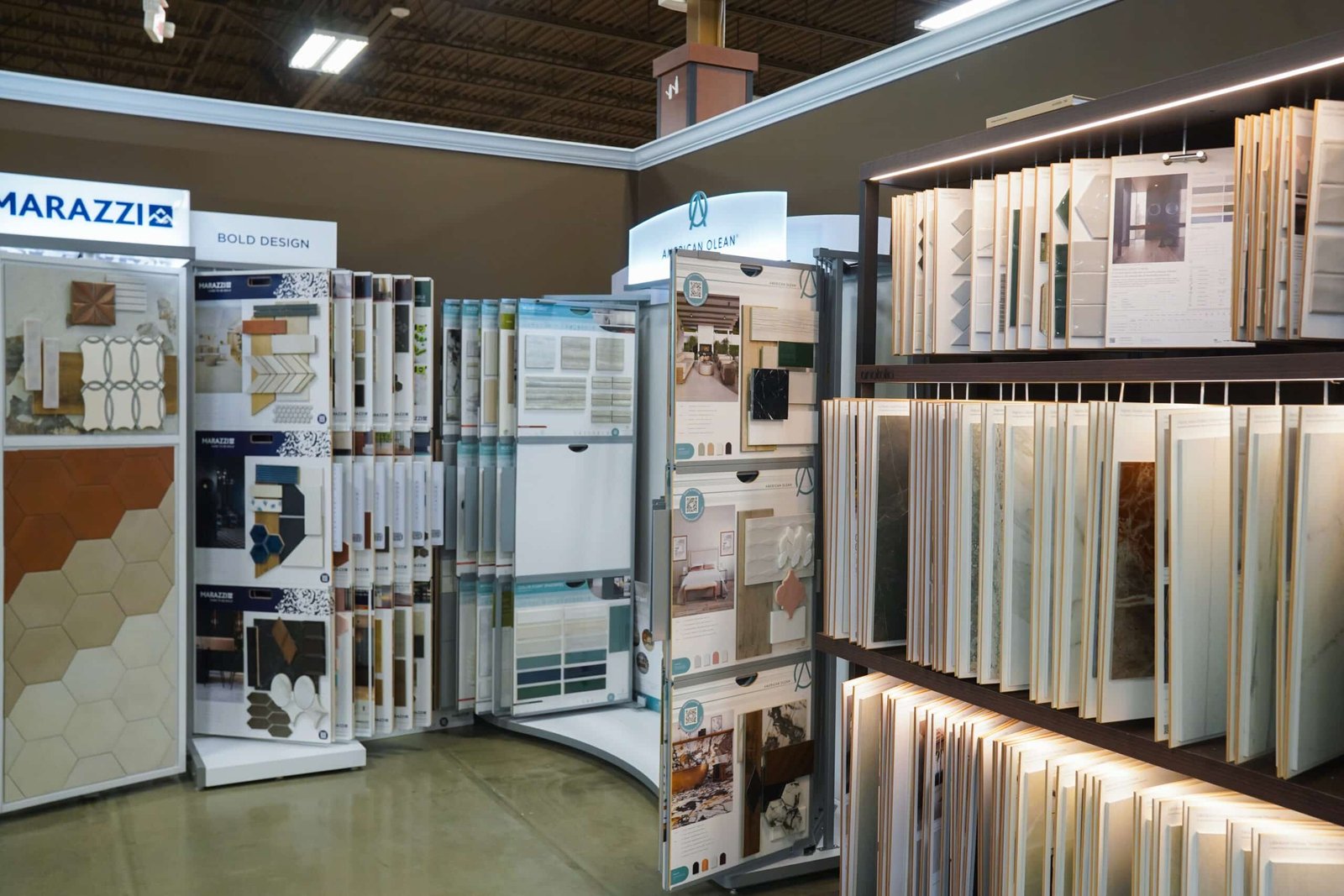
Choosing the right tile for your home can feel overwhelming with so many materials, colors, sizes, and styles available. Tile is one of the most versatile flooring and surface options, offering durability, easy maintenance, and endless design possibilities. However, not every tile is ideal for every space.
Understanding the differences between porcelain, ceramic, and natural stone tile can help you choose a material that fits your lifestyle, budget, and design goals. This tile buying guide covers the most important factors to consider, including tile types, durability ratings, sizing, and the best rooms for each option.
Understanding the Main Types of Tile
The three most common tile categories are porcelain, ceramic, and natural stone. Each offers unique benefits and characteristics.
Porcelain Tile
Porcelain tile is one of the most durable and popular flooring choices available. Made from refined clay and fired at extremely high temperatures, porcelain is denser and less porous than traditional ceramic tile.
Because of its strength and moisture resistance, porcelain is suitable for nearly any area of the home, including kitchens, bathrooms, entryways, living spaces, and outdoor applications.
Benefits of porcelain tile include:
- Highly durable and long-lasting
- Resistant to water and stains
- Suitable for high-traffic areas
- Available in designs that mimic stone, wood, and concrete
- Low maintenance
Porcelain tile is an excellent choice for homeowners looking for a premium flooring material that combines performance with modern design.
Ceramic Tile
Ceramic tile is a classic option that has been used in homes for decades. Like porcelain, ceramic tile is made from clay and other natural materials, but it is generally fired at lower temperatures, making it slightly softer and more porous.
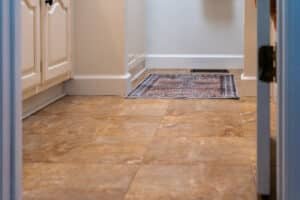 Ceramic tile is often chosen for walls, backsplashes, bathroom surfaces, and areas with moderate foot traffic.
Benefits of ceramic tile include:
- Affordable pricing
- Wide variety of colors and patterns
- Easy cleaning and maintenance
- Simple installation and replacement
- Comfortable indoor applications
For homeowners updating a kitchen backsplash, shower wall, or low-traffic room, ceramic tile offers excellent style and value.
Natural Stone Tile
Natural stone tile provides a unique, high-end appearance created by nature. Popular options include marble, granite, travertine, slate, and limestone. Each piece has its own variations in color, texture, and pattern, creating a one-of-a-kind look.
Natural stone is commonly used in entryways, bathrooms, kitchens, fireplaces, and luxury living spaces.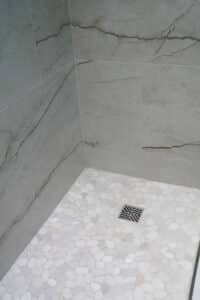
Benefits of natural stone tile include:
- Timeless appearance
- Unique natural patterns
- Adds character and value to a home
- Available in polished, honed, or textured finishes
However, many natural stone tiles require sealing and ongoing maintenance to protect against stains and moisture.
Understanding Tile Ratings
When choosing tile, it’s important to understand performance ratings. These ratings help determine whether a tile is appropriate for a specific application.
PEI Wear Rating
The Porcelain Enamel Institute (PEI) rating measures a tile’s resistance to wear and abrasion. The scale generally ranges from light residential use to heavy commercial applications.
Common recommendations include:
- PEI 1: Best for walls and areas with no foot traffic
- PEI 2: Suitable for light residential areas, such as bathrooms or bedrooms
- PEI 3: Good for most residential floors, including kitchens and hallways
- PEI 4: Designed for heavy residential and some commercial spaces
- PEI 5: Ideal for high-traffic commercial environments
For most homes, a PEI rating of 3 or higher is recommended for flooring applications.
Water Absorption Rating
Tile porosity is another important consideration, especially in moisture-prone areas.
- Non-vitreous tile: High absorption; generally not recommended for wet areas
- Semi-vitreous tile: Moderate absorption; suitable for some indoor applications
- Vitreous tile: Low absorption; good for kitchens and bathrooms
- Impervious tile: Minimal absorption; excellent for wet areas and outdoor use
Porcelain tile is typically classified as impervious, making it a strong choice for bathrooms, showers, and outdoor areas.
Choosing the Right Tile Size
Tile size plays a major role in the overall appearance of a room. Larger tiles can make spaces feel more open, while smaller tiles can add texture and detail.
Common tile sizes include: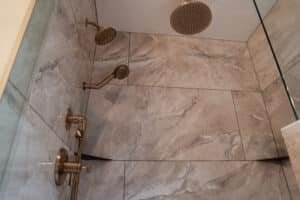
Small-Format Tile (Under 6 Inches):
- Great for shower floors
- Useful for decorative patterns
- Adds visual detail
Medium Tile (8-12 Inches):
- Classic choice for bathrooms and kitchens
- Works well in many residential spaces
Large-Format Tile (15 Inches and Larger):
- Creates a clean, modern appearance
- Reduces the number of grout lines
- Makes rooms appear larger
Large-format porcelain tiles are especially popular in contemporary designs because they create a seamless, sophisticated look.
Best Tile Choices By Room
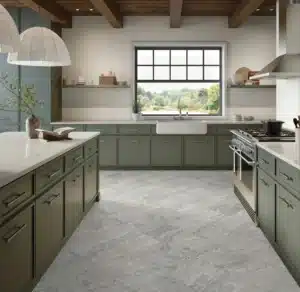
Different areas of your home have different performance requirements.
- Kitchens: Porcelain and ceramic tile are excellent kitchen choices because they resist spills, stains, and daily wear. Tile backsplashes are also a popular way to add color and personality.
- Bathrooms: For bathrooms and showers, choose moisture-resistant options such as porcelain tile or properly sealed natural stone. Slip-resistant finishes are recommended for wet areas.
- Entryways & Hallways: These high-traffic areas benefit from durable materials like porcelain or granite that can handle dirt, moisture, and frequent use.
- Living Areas: Large-format porcelain, natural stone, and wood-look tile are popular choices for living rooms because they provide style without sacrificing durability.
- Outdoor Spaces: Outdoor tile requires excellent moisture resistance and freeze-thaw durability. Porcelain pavers and certain natural stones are commonly used for patios and exterior applications.
Finding the Right Tile For Your Project
Selecting the perfect tile comes down to balancing appearance, performance, and maintenance requirements. Porcelain offers exceptional durability and versatility, ceramic provides affordability and style, and natural stone delivers unmatched character and elegance.
 Before purchasing tile, consider where it will be installed, how much traffic the area receives, and how much maintenance you are comfortable with. With the right material, size, and rating, tile can provide a beautiful and lasting surface that enhances your home for many years.
At Tile Liquidators, one of our knowledgeable tile professionals can help you compare options, choose the right installation method, and create a finished design that fits both your lifestyle and your vision.
Here is your guide to finding the perfect match. Whether you’re DIYing a spare bedroom or hiring a pro for a full-home transformation, we’ll make sure you leave with a floor you’ll love for years to come.
We invite you to visit our showrooms in Albertville, Huntsville, or Gadsden. Our team is here to help you weigh the pros and cons of every material so you can make a choice that balances your budget, your style, and your lifestyle!